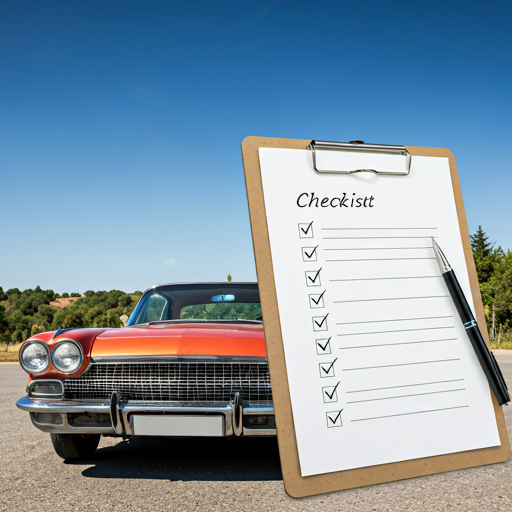
Before shipping your car, photograph the vehicle from all angles, remove every personal item, reduce fuel to a quarter tank, disable alarms, secure loose parts, confirm the carrier’s insurance coverage, and wash the car. These steps protect you if a damage claim becomes necessary and ensure a smooth handoff to the auto transport carrier.
Shipping a car — whether you’re relocating to a new state, purchasing a vehicle online, or selling to an out-of-state buyer — is simpler than most people expect. But it does require preparation. The steps you take in the 24–48 hours before pickup will determine how smoothly the process goes and whether you’re protected if anything goes wrong during transit.
At Star Auto Shipping, we connect customers with licensed, insured auto transport carriers across all 50 states. Every day we answer the same questions from first-time shippers: What do I need to do before shipping my car? How do I prepare my vehicle for auto transport? What documents does the driver need at pickup? This complete checklist answers all of them.
- Choose a licensed, insured auto transport broker
- Inspect and document the vehicle’s condition
- Remove all personal items from the car
- Disable alarms and secure loose parts
- Check for fluid leaks and mechanical issues
- Reduce fuel to ¼ tank
- Prepare keys and required documents
- Confirm insurance coverage
- Schedule pickup and delivery windows
- Wash the vehicle inside and out
- Remove toll passes and parking tags
- Understand your delivery model
- Inspect the car thoroughly upon delivery
Complete Guide: How to Prepare Your Car for Shipping
Research and Choose a Licensed Auto Transport Broker
Before booking, confirm the company is registered with the Federal Motor Carrier Safety Administration (FMCSA). Every legitimate auto transport broker has a valid DOT number and MC (Motor Carrier) number — both are publicly verifiable at the FMCSA website at no cost.
Using a licensed broker like Star Auto Shipping gives you access to a vetted network of insured carriers, competitive pricing across multiple routes, and dedicated support from quote to delivery. Check reviews on Google and the Better Business Bureau before committing.
🔑 Always ask for the carrier’s DOT number and proof of insurance before booking
Inspect and Document Your Vehicle’s Condition
Before the carrier arrives, photograph every inch of the exterior — front, rear, both sides, roof, wheels, and close-ups of any existing scratches, dents, chips, or cracks. Photograph the interior and record the odometer reading. These timestamped images are your primary evidence if you need to file a damage claim after delivery.
At pickup, the driver completes a Bill of Lading (BOL) — the official pre-shipment condition report. Review it carefully against your photos before signing. Do not sign a BOL that omits pre-existing damage.
📸 Use your phone’s timestamp so photos are provably pre-pickup
Remove All Personal Items from the Vehicle
DOT regulations prohibit auto transport carriers from transporting household goods inside customer vehicles. Remove everything — GPS devices, car seats, sunglasses, documents, aftermarket electronics, and any valuables. Items left in the car are not covered by the carrier’s insurance and are shipped entirely at your own risk.
Disable Alarms and Secure Loose Parts
A car alarm that triggers during loading drains your battery and causes significant delays. Disable the alarm system before pickup. Remove or firmly secure any accessories that could detach at highway speeds: retractable antennas, custom spoilers, roof cargo boxes, bike racks, and aftermarket body kits. If a part cannot be secured, remove it entirely and transport it separately.
Check for Fluid Leaks and Mechanical Issues
Your vehicle must be in operable condition to be driven onto the carrier truck. Before pickup, inspect for active fluid leaks (oil, coolant, brake fluid), confirm the battery holds a charge, verify tires are properly inflated to spec, and test the parking brake. If your car has mechanical issues — or is non-running — disclose this at the time of booking, not at pickup. Non-running vehicles require winch loading equipment and typically cost more to ship.
Reduce Fuel to One-Quarter Tank
Most carriers require no more than a quarter (¼) tank of fuel at pickup. A full tank adds 90–120 lbs of unnecessary weight and increases the risk of fuel leaks when vehicles are loaded at steep angles on the carrier ramp. A quarter tank is more than sufficient for the driver to load, position, and unload your car at delivery.
Prepare Keys and Required Documents
Provide the driver with one complete set of keys — ignition, key fob, and valet key if available. Keep a spare set for yourself. Have these documents ready at pickup:
- Vehicle registration
- Proof of current insurance
- Valid government-issued photo ID
- Signed shipping agreement / order confirmation
- Vehicle title (if the carrier requires it)
If a representative is accepting delivery on your behalf, provide them with a copy of the shipping order and a signed letter authorizing them to act for you.
Confirm Your Insurance Coverage
Licensed carriers are legally required to carry cargo insurance — but coverage limits, deductibles, and exclusions vary significantly. Before your car is loaded, request a copy of the carrier’s insurance certificate. Ask specifically:
- What is the per-vehicle coverage limit?
- What is the deductible if a claim is filed?
- Are weather events (hail, flooding) covered?
- Does the policy cover the full replacement value of my vehicle?
Also call your personal auto insurer to confirm whether your policy extends to vehicles in transit with a third-party carrier.
Schedule Pickup and Delivery Windows
Auto transport pickup windows are typically 1–3 days wide — not an exact time — because carrier routing and traffic are variable. Confirm estimated pickup and delivery dates with your shipping company. Customers who allow a 2–3 day flexible window generally receive faster dispatch and better pricing. Plan to be present at both pickup and delivery to sign the Bill of Lading.
Wash Your Vehicle Inside and Out
A clean car makes it far easier to accurately document pre-existing condition at pickup and to identify any new damage at delivery. Dirt, mud, and road grime can hide existing scratches during the Bill of Lading inspection — making it harder to prove later whether damage occurred before or during transport. This is a quick step that can significantly strengthen your position if a claim is needed.
Remove Toll Passes and Parking Permits
Electronic toll transponders — E-ZPass, SunPass, FasTrak, TxTag, and others — remain active and can be triggered while your car is in transit. Remove all toll tags, parking placards, and hanging permits from the windshield before pickup to prevent unexpected charges being billed to your account while your car is on the carrier truck.
Understand Your Delivery Model Before Pickup
Confirm exactly how delivery works before your car is loaded:
- Door-to-door auto transport: The carrier picks up and delivers as close to your address as the truck can safely and legally reach — the most convenient option and what Star Auto Shipping provides.
- Terminal-to-terminal shipping: You drop off and pick up at designated depot locations — lower cost but requires you to arrange your own transport to and from each terminal.
Knowing your delivery model in advance prevents scheduling surprises, especially if you’re coordinating around a move, a flight, or a lease return deadline.
Inspect Your Car Thoroughly Upon Delivery
When your vehicle arrives, inspect it immediately and compare its condition against your pre-shipping photos before signing the delivery Bill of Lading. Inspect in daylight if possible. Check all body panels, roof, bumpers, wheels, and glass. If you find new damage:
- Note it specifically on the Bill of Lading before signing
- Photograph the damage immediately
- Contact the shipping company’s claims department right away
- File your claim promptly — most carriers enforce a 7–15 day claim window
Ready to Ship Your Car?
Star Auto Shipping connects you with licensed, insured carriers across all 50 states. Get your free quote in under 60 seconds — no obligation, no hidden fees.
Checklist Preparation: Frequently Asked Questions
Answers to the questions customers most often ask while getting their vehicle ready for pickup. For general questions about pricing, transport types, and timelines, visit our full FAQ page.
What is a Bill of Lading and why does it matter?
A Bill of Lading (BOL) is the official vehicle condition report completed by the driver at both pickup and delivery. At pickup it records your car’s pre-existing condition — every scratch, dent, and chip. At delivery, any new damage must be noted before you sign. The BOL is your most critical document in any damage claim. Never sign a clean BOL at delivery if you observe new damage.
Can I leave personal items in my car when shipping it?
No. Auto transport carriers are prohibited under DOT regulations from transporting household goods inside customer vehicles. Anything left in the car — trunk, glove box, back seat, or cargo area — is not covered by the carrier’s insurance and is shipped entirely at your own risk. Remove everything before pickup.
Do I need to be present when my car is picked up or delivered?
Yes — you or a trusted representative should be present at both. At pickup you review and sign the Bill of Lading documenting pre-shipment condition. At delivery you compare the car against your pre-shipping photos before signing anything. If sending a representative, give them a copy of the shipping order and a signed authorization letter.
What documents do I need ready at pickup?
At minimum: vehicle registration, proof of insurance, a valid photo ID, and your signed shipping agreement. Some carriers also request the vehicle title. If a representative is accepting delivery, they need a copy of the shipping order and your signed authorization.
Is my car covered by insurance during auto transport?
Licensed carriers are required by law to carry cargo insurance, but limits, deductibles, and exclusions vary by carrier. Before your car is loaded, ask for a copy of the carrier’s insurance certificate. Also check with your personal auto insurer to confirm whether your existing policy extends coverage to vehicles in transit with a third-party carrier.
Why does my fuel need to be at a quarter tank?
Most carriers require no more than a quarter tank at pickup. A full tank adds roughly 90–120 lbs of unnecessary weight and raises the risk of fuel leaks when vehicles are loaded at steep angles on the carrier ramp. A quarter tank is enough for the driver to safely load, position, and offload your vehicle at delivery.
What if my car has a fluid leak or mechanical issue?
Disclose fluid leaks or mechanical problems to the shipping company at the time of booking — not at pickup. Active leaks can damage other vehicles on the same carrier. Non-running vehicles require a winch for loading and typically cost more to ship. Early disclosure allows the company to assign the right carrier and equipment.
Why should I wash my car before shipping it?
A clean car makes it much easier to document pre-existing condition accurately at pickup and to spot any new damage at delivery. Dirt, mud, and grime can conceal existing scratches during the Bill of Lading inspection — making it harder to establish whether damage occurred before or during transport if a dispute arises.
Final Thoughts
Shipping a car does not have to be stressful. When you work through these 13 steps before your vehicle is picked up, you protect your car, your money, and your peace of mind throughout the entire transport process. The four most critical actions are: photograph your vehicle thoroughly, remove all personal items, verify insurance coverage, and inspect carefully at delivery before signing anything.
Whether you’re relocating across the state, buying from an out-of-state dealership, or sending a vehicle to a family member — Star Auto Shipping is here to make the process transparent and worry-free. We partner with licensed, insured carriers on every route and provide real support from the moment you request a quote to the moment your car is safely in your hands.
Get your free car shipping quote today — it takes under 60 seconds and there is no obligation.

MC#: 1664753
USDOT#: 4282092