


Published
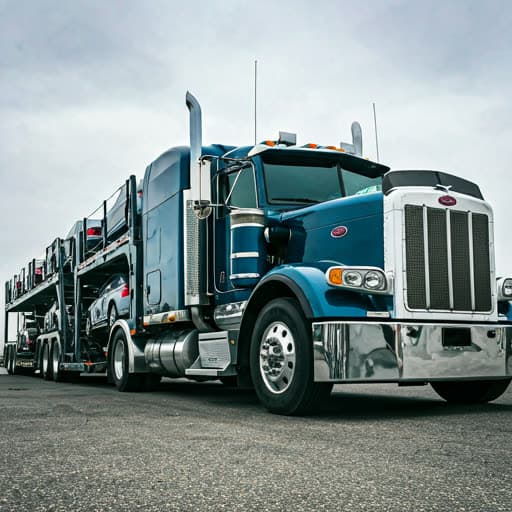
Quick Answer: A licensed auto transport broker connects you to a large, vetted network of carriers instead of just one - which usually means better pricing, more scheduling flexibility, and someone verifying carrier insurance and credentials on your behalf. A broker handles the coordination; the carrier handles the physical transport.
Ready to get started? Get a free, no-obligation car shipping quote from a licensed broker.
When it's time to ship a vehicle, one of the first decisions you'll make is whether to book directly with a single carrier or work through a licensed auto transport broker. Both can get your car from point A to point B, but for most customers, a broker offers real, practical advantages - in pricing, flexibility, and peace of mind.
What Does an Auto Transport Broker Actually Do?
A broker is a federally licensed intermediary - Star Auto Shipping, for example, operates as a licensed property broker (FMCSA MC# 1664753, USDOT# 4282092) - that connects your shipment with an appropriate carrier from its network. Brokers don't own trucks; they specialize in matching your vehicle, route, and timeline with a carrier who's already running that lane, verifying that carrier's insurance and operating authority along the way.
Access to a Larger Network of Carriers
A single carrier can only run the routes their own trucks happen to cover. A broker works with a large network - Star Auto Shipping works with FMCSA-registered carriers across all 50 states - which means a far better chance of finding a truck already headed your direction, on your timeline.
Cost Savings Through Competitive Pricing
Because brokers work with many carriers rather than one, they can match your shipment to whichever carrier offers the best combination of price and timing for your specific route - instead of you being locked into one company's fixed rate.
Convenience and Time Savings
Researching individual carriers, verifying their insurance and safety records, and negotiating pricing takes real time. A broker does that legwork for you and acts as a single point of contact from quote to delivery, instead of you managing multiple carrier relationships yourself.
Expertise and Support
A good broker has handled thousands of shipments and understands how seasonal demand, weather, and regional carrier availability affect pricing and timing. That experience helps you avoid common pitfalls - like booking during a demand spike without knowing it, or missing a document a carrier will need at pickup.
Flexibility in Scheduling
Because a broker isn't limited to one carrier's schedule, they generally have more room to work with your preferred pickup and delivery windows - and more options if your plans change.
Peace of Mind Through Carrier Vetting
Every carrier a reputable broker works with should be verified for a valid FMCSA MC number and active cargo insurance before your vehicle is ever assigned to them. That vetting step protects you from unlicensed or uninsured operators - something you'd otherwise have to research yourself when booking direct.
Tailored Solutions for Unique Shipping Needs
Not every vehicle is a standard sedan going a standard distance. Brokers with a wide carrier network are better positioned to find the right equipment for classic cars, oversized vehicles, inoperable vehicles, or tight residential access - situations a single carrier might simply not be equipped to handle.
Work with a Licensed Broker
Get a quote from Star Auto Shipping - a licensed, FMCSA-registered broker with a broad carrier network nationwide.
Get My Quote →Frequently Asked Questions
What's the difference between a broker and a carrier?
A carrier owns and operates the trucks that physically transport vehicles. A broker doesn't own trucks - instead, they coordinate between you and a network of carriers, matching your shipment to the right one and handling logistics, pricing, and communication.
Is it more expensive to use a broker instead of booking a carrier directly?
Not typically. Because brokers can compare pricing across many carriers, they often secure better rates than a single carrier's fixed price - especially on routes the customer doesn't personally have carrier contacts for.
How do I know a broker is legitimate?
Check for a valid FMCSA MC number and USDOT number, both verifiable for free on the FMCSA website. A legitimate broker will also be able to show proof of carrier insurance before your vehicle is picked up.
Does the broker handle my vehicle directly?
No. The broker coordinates the shipment; a licensed, insured carrier from the broker's network physically transports your vehicle and handles pickup, transit, and delivery.
Can a broker help with unusual shipments, like an inoperable or classic car?
Yes. Brokers with a large carrier network are generally better equipped to find carriers with the right equipment - winches for inoperable vehicles, enclosed trailers for classic or exotic cars - than a single carrier limited to their own truck's capabilities.