


Published
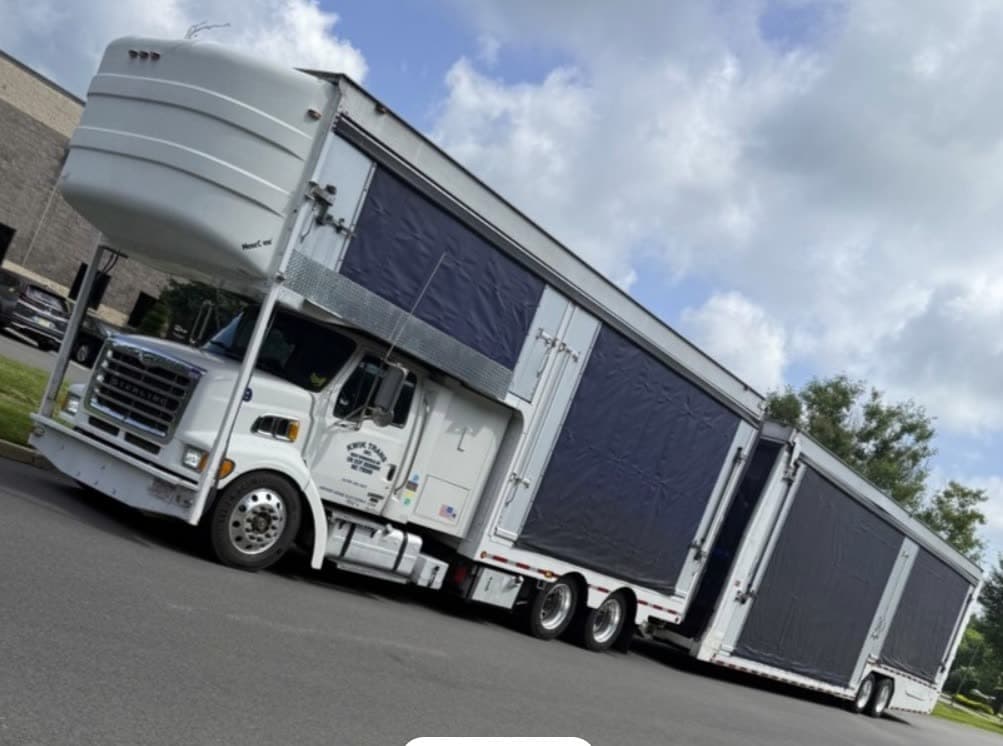
Quick Answer: Open auto transport is the most affordable and widely available option, suitable for the vast majority of everyday vehicles - it's how most new cars reach dealerships. Enclosed auto transport costs more but fully shields your vehicle from weather and road debris, making it the better choice for classic, exotic, luxury, or otherwise high-value vehicles.
Not sure which one you need? Get a quote and we'll help you choose the right option for your vehicle.
Choosing between open and enclosed auto transport is one of the first decisions you'll make when shipping a car - and it's the one that has the biggest effect on both price and protection. Both options are safe, insured, and used every day by licensed carriers across the country. The right choice comes down to your specific vehicle, budget, and how much protection you actually need.
What Is Open Auto Transport?
Open auto transport is the standard method used for most vehicle shipments in the United States. Vehicles ride on a multi-car open trailer - the same type of carrier used to deliver new cars from factories to dealerships - typically hauling 7 to 10 vehicles at once. Because carriers and capacity are widely available, open transport is usually the fastest option to book and the most competitively priced.
Benefits of Open Transport
- Most affordable option, typically $0.55–$0.80 per mile depending on distance and route
- Widest carrier availability, which generally means faster pickup and delivery
- Fully insured and DOT-compliant, same as enclosed transport
- The right fit for daily drivers, SUVs, pickup trucks, and most used vehicles in normal condition
Trade-offs of Open Transport
- Vehicle is exposed to weather and road debris during transit
- Not generally recommended for extremely high-value, exotic, or fragile vehicles
What Is Enclosed Auto Transport?
Enclosed auto transport moves your vehicle inside a fully covered trailer, shielding it from rain, road debris, and general road grime for the entire trip. Because enclosed trailers carry fewer vehicles per load and are less widely available than open carriers, this option costs more and can take longer to schedule - but it's the right call when a vehicle's value or condition justifies the extra protection.
Benefits of Enclosed Transport
- Full protection from weather and road debris
- Extra security, often with soft-tie or lift-gate loading for low-clearance vehicles
- Ideal for classic cars, exotics, luxury vehicles, and other high-value vehicles
Trade-offs of Enclosed Transport
- Higher cost, typically $1.00–$1.20 per mile depending on distance and route
- Fewer carriers available, which can mean longer lead times, especially during peak season
Open vs. Enclosed: Side-by-Side Comparison
| Open Transport | Enclosed Transport | |
|---|---|---|
| Typical cost | $0.55 – $0.80 per mile | $1.00 – $1.20 per mile |
| Weather/debris protection | None | Full protection |
| Carrier availability | High | Lower, especially in peak season |
| Best for | Daily drivers, SUVs, trucks, most used cars | Classic, exotic, luxury, or high-value vehicles |
| Vehicles per trailer | 7–10 | 1–2 |
How to Decide Which One You Need
For the vast majority of shipments, open transport is the practical choice - it's what carries new vehicles from the factory, and it's fully insured and DOT-compliant. Consider enclosed transport specifically when:
- Your vehicle is a classic, collector, or antique car with sensitive paint or trim
- You're shipping an exotic, luxury, or high-performance vehicle
- Your vehicle has very low ground clearance and needs careful loading equipment
- You simply want the extra peace of mind and are comfortable with the added cost
Still not sure? A licensed broker can look at your specific vehicle and route and recommend the option that makes sense - see our guide on the benefits of using a car shipping broker for how that process works.
Get a Quote for Open or Enclosed Transport
Tell us about your vehicle and route, and we'll help you choose the right transport type - no obligation to book.
Get My Quote →Frequently Asked Questions
Is open auto transport safe for my car?
Yes. Open transport is the industry-standard method and is how the vast majority of vehicles - including new cars from the factory - move across the country. Carriers are licensed, insured, and DOT-compliant.
How much more does enclosed transport cost than open transport?
Enclosed transport typically runs $1.00–$1.20 per mile versus $0.55–$0.80 per mile for open transport - roughly 30–60% more, depending on the route and vehicle.
Do I need enclosed transport for a normal daily-driver vehicle?
No. Open transport is fully insured and suitable for the vast majority of everyday vehicles. Enclosed transport is worth the extra cost mainly for classic, exotic, luxury, or otherwise high-value vehicles.
Will enclosed transport take longer to schedule?
It can. Enclosed carriers are less common than open carriers, so lead times are sometimes longer - especially during peak shipping season. Booking ahead helps.
Can I switch from open to enclosed transport after booking?
Yes, in most cases - let your broker know before a carrier is assigned. Switching after dispatch may affect pricing and timing, so it's best to decide on transport type at the time of booking.